
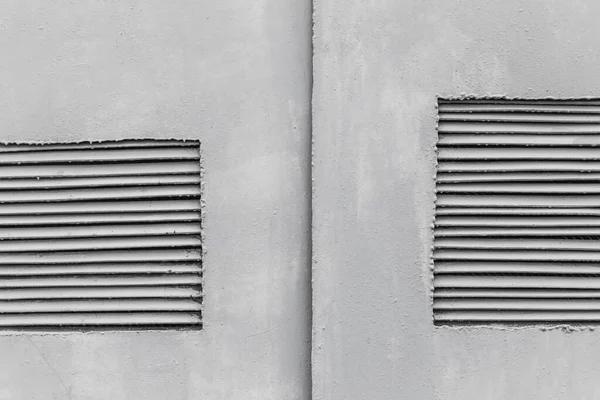
A transformer wall, often found in power distribution systems, plays a significant role in the transmission and conversion of electrical energy. Its primary function is to step up or step down the voltage level according to the requirements of the end-user. To understand how a transformer wall works, it’s important first to comprehend its basic structure and components.
The fundamental design of a transformer includes two coils of wire wound around an iron core – one coil being the primary winding and the other being secondary. The primary winding is connected to the input voltage supply (high voltage), while the secondary winding is linked with output (low voltage). The iron core serves as a medium for magnetic flux.
The operation of a transformer wall begins when alternating current passes through the primary coil. This current flow generates a magnetic field around it, which creates varying levels of magnetic flux within the iron core. As this fluctuating magnetic flux links with secondary windings, it induces an electromotive force (EMF) or voltage across them due to electromagnetic induction phenomenon.
The ratio between voltages on these windings determines whether we have a step-up or step-down transformer. In a step-up transformer, there are more turns on the secondary coil than on the primary; hence higher output voltage than input. Conversely, in a step-down version, there are fewer turns on secondary coil resulting in lower output voltage.
One crucial aspect that makes transformers vital for power distribution is their ability to maintain energy balance despite changing voltages. According to conservation laws, even though transformers alter voltages from one circuit to another based on their turn ratios; they keep power almost constant (assuming ideal conditions with no losses). Hence if they increase voltage level (step-up), current decreases proportionally and vice versa ensuring no wastage of power during transmission.
Another impressive feature about transformers lies in their efficiency. Transformers typically operate at high efficiency levels above 90%, making them indispensable for long-distance electricity transportation where minimizing energy loss is paramount.
In the context of power distribution, transformer walls are typically mounted in substations or on utility poles. They help to step down high voltage electricity from power plants to a safer, usable level for homes and businesses.
To conclude, the transformer wall’s role in power distribution is indispensable. It ensures efficient transmission and conversion of electrical energy by stepping up or down voltages as necessary while maintaining an almost constant power output. Its operational principle based on electromagnetic induction and its design structure allows it to perform these tasks effectively, contributing significantly towards our modern electricity-dependent lifestyle.