
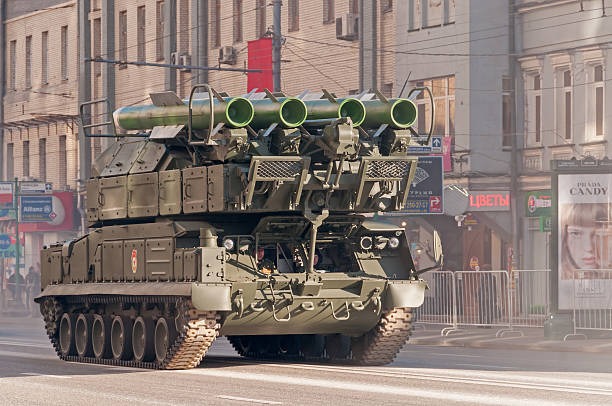
Ballistic barriers play a crucial role in modern safety, providing protection against potential threats and enhancing security measures in various environments. As the name suggests, these barriers are designed to withstand or stop the impact of ballistic projectiles such as bullets or shrapnel. They are commonly used in military establishments, law enforcement agencies, banks, schools and even private residences.
The first and foremost impact of ballistic barriers is their ability to save lives. By effectively stopping bullets or other high-speed projectiles, these barriers can protect individuals from direct harm during an attack. This is especially crucial for people working in high-risk environments like soldiers on a battlefield or police officers during a shootout.
Moreover, ballistic barriers contribute significantly towards maintaining peace and order within society. Their presence acts as a deterrent for criminal activities since they make it harder for criminals to execute their plans successfully. For instance, with bulletproof glass installed at bank counters or convenience stores, robbers may think twice before attempting armed robbery.
In addition to physical protection and crime deterrence, ballistic barriers also provide psychological reassurance. Knowing that there’s an extra layer of protection can help alleviate anxiety among employees who work in potentially dangerous situations daily. This sense of security can boost morale and productivity while reducing stress-related health issues.
Furthermore, the use of ballistic barriers has evolved over time due to advancements in technology and materials science. Modern-day versions offer superior resistance against different types of ammunition without compromising visibility or aesthetics – features that were not available in earlier models.
However, it’s worth noting that while having ballistic barrier provides significant advantages concerning safety and security; they aren’t without limitations. The effectiveness depends highly on its quality – lower grade materials might not offer full protection against specific types of ammunition; hence selection should be based on the level of threat anticipated.
Another critical aspect is maintenance – regular inspection is necessary to ensure optimal performance over time because any damage could compromise its protective capabilities significantly.
Lastly but importantly is cost – installing ballistic barriers can be expensive, but it’s a worthy investment considering the protection they offer. It’s essential to balance cost with quality and functionality when choosing these barriers.
In conclusion, ballistic barriers have a significant impact on modern safety by providing physical protection, deterring crime, offering psychological reassurance, and adapting to technological advancements. Despite their limitations in terms of quality variance, maintenance requirements and cost implications; their find out the benefits drawbacks. As society continues to grapple with security threats, the role of ballistic barriers will continue to be pivotal in ensuring safety and peace of mind.